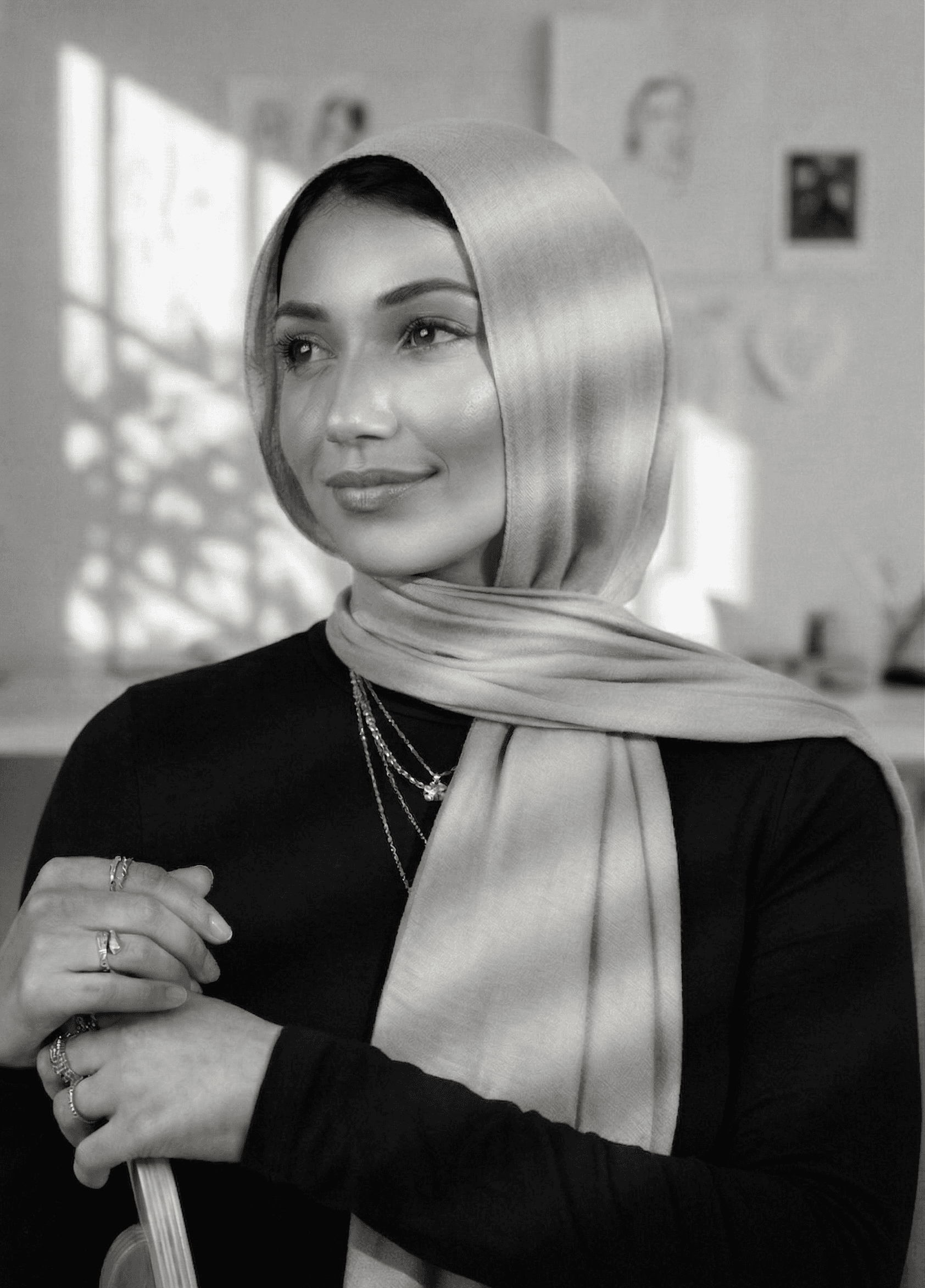
I got here through architecture, through floor plans, urban systems, and the very human question of how spaces make people feel.
Before Figma, I was designing physical spaces. Public buildings where people find their way under pressure. Public squares where thousands move without thinking about it. Environments where complexity had to disappear for the experience to work. That is where I learned how people move, how they orient, and what they expect before they are even aware of it. Not from a screen, but from watching real people navigate real spaces over eight years.
Moving into digital products did not feel like a detour. It felt like a natural extension.
Today, I design end-to-end product experiences, with a strong focus on research and design systems. The underlying structure that makes products feel clear, consistent, and usable at scale. But craft alone is not what makes products work. Anyone can choose colours or follow a grid. What makes the difference is strategic thinking. Knowing what to prioritise, what to simplify, and why something should exist the way it does and That is the lens I design from.
I use AI and tools like Figma make and Claude code to move faster through execution, not to replace thinking. What used to take days can now take hours, which only matters if the decisions behind it are sound.
When I am not designing, I am usually making something with my hands. Painting, illustrating, or working on a ceramic piece that looked much easier in my head.